Cette histoire est disponible en anglais et en espagnol — pas encore en français. En attendant, la voici en anglais.
If you've ever visited Mexico, chances are you've seen the colorful cards of the traditional game known as lotería.
La lotería is not just a board game. It is a small collection of images that, over time, have become part of the country's cultural memory.
What is La Lotería?
Lotería is a traditional Mexican game similar to bingo, but instead of numbers, it's played with pictures. Each player has a board with illustrations, and someone calls out the cards at random. If the image appears on your board, you mark it. The first player to complete a line or the entire board wins.
But what really makes the lottery special is not the rules — it's its symbols.
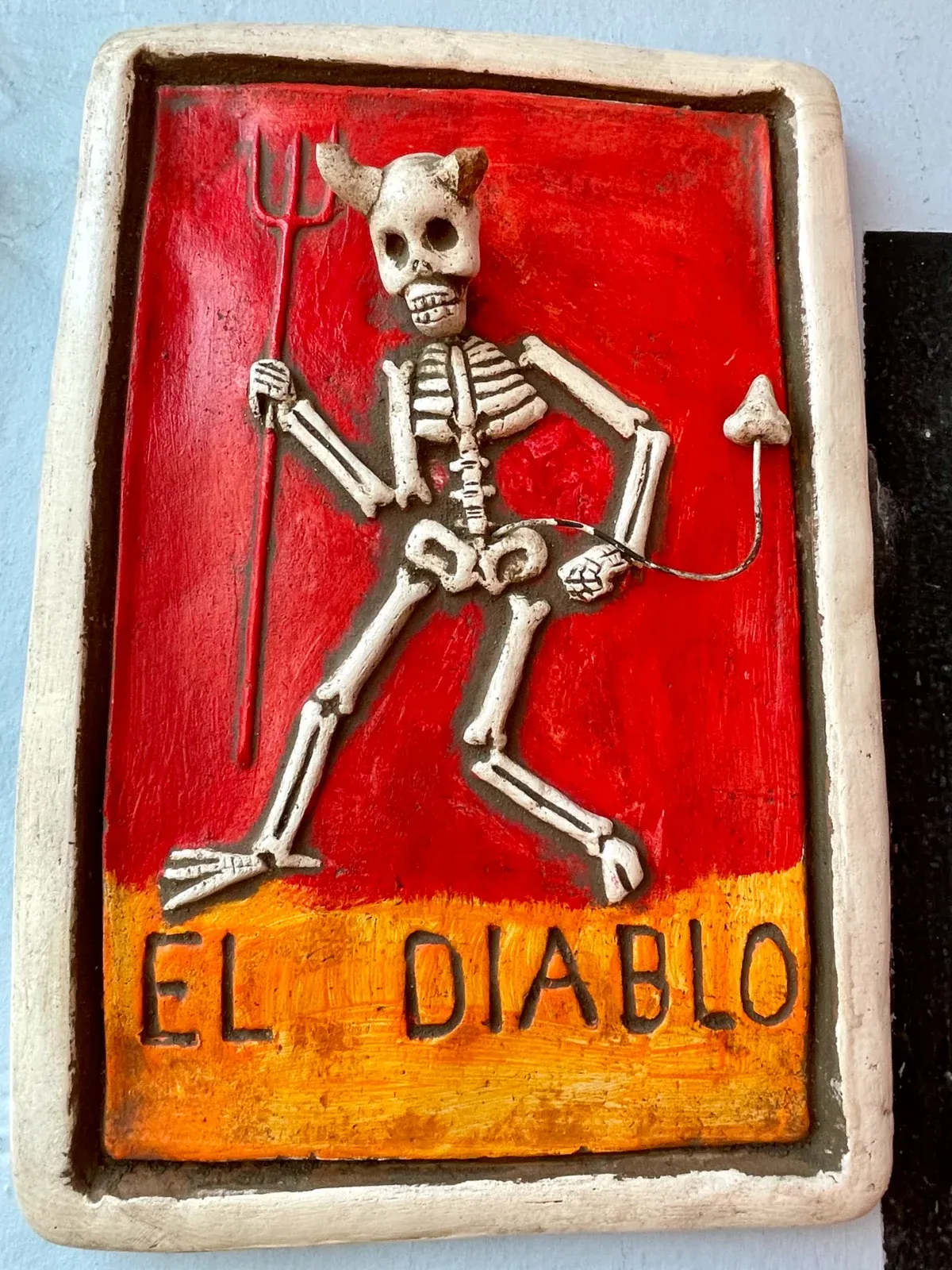
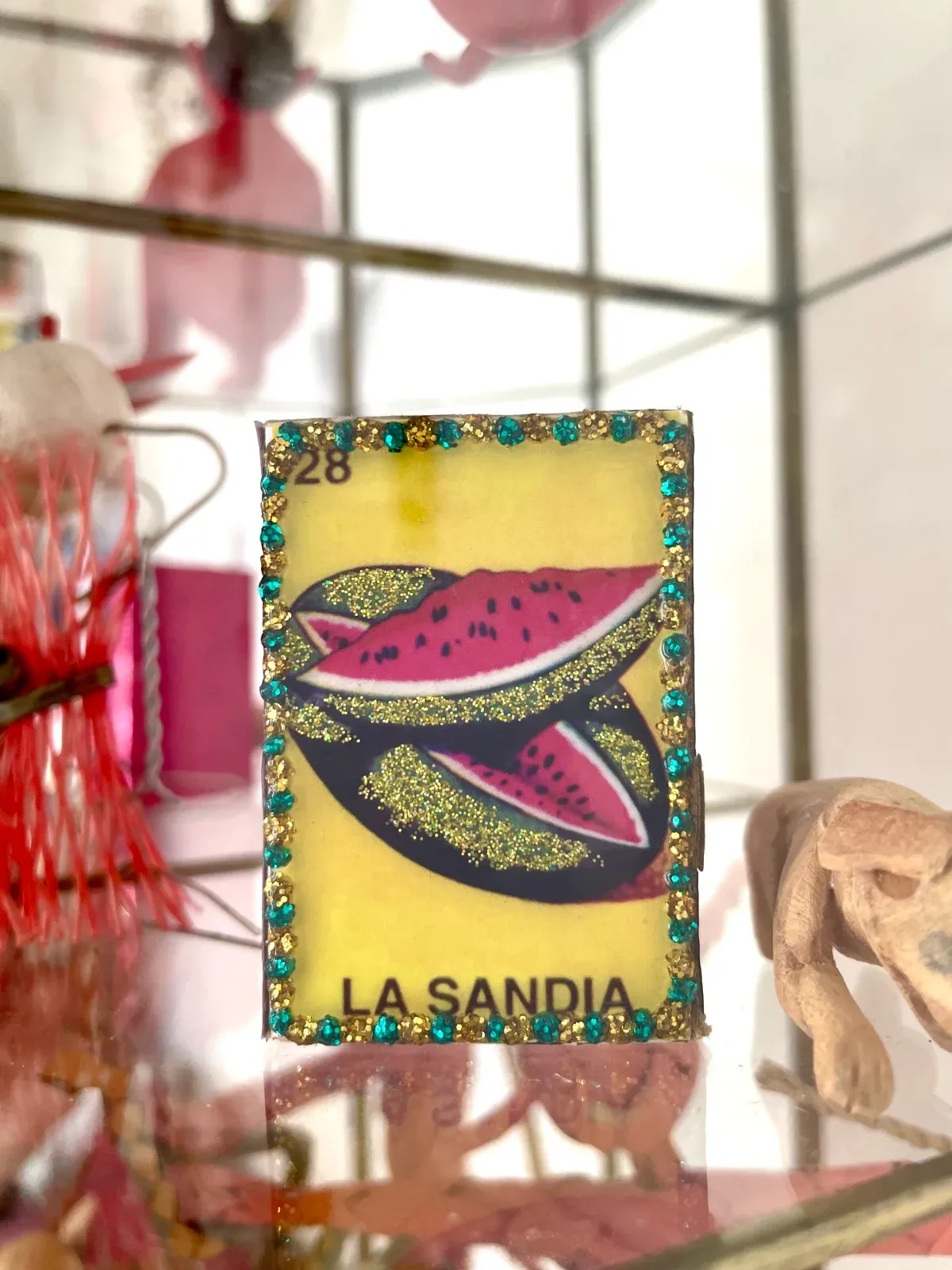
EL Corazón. La sirena. El sol. La luna. El diablo. La sandía.
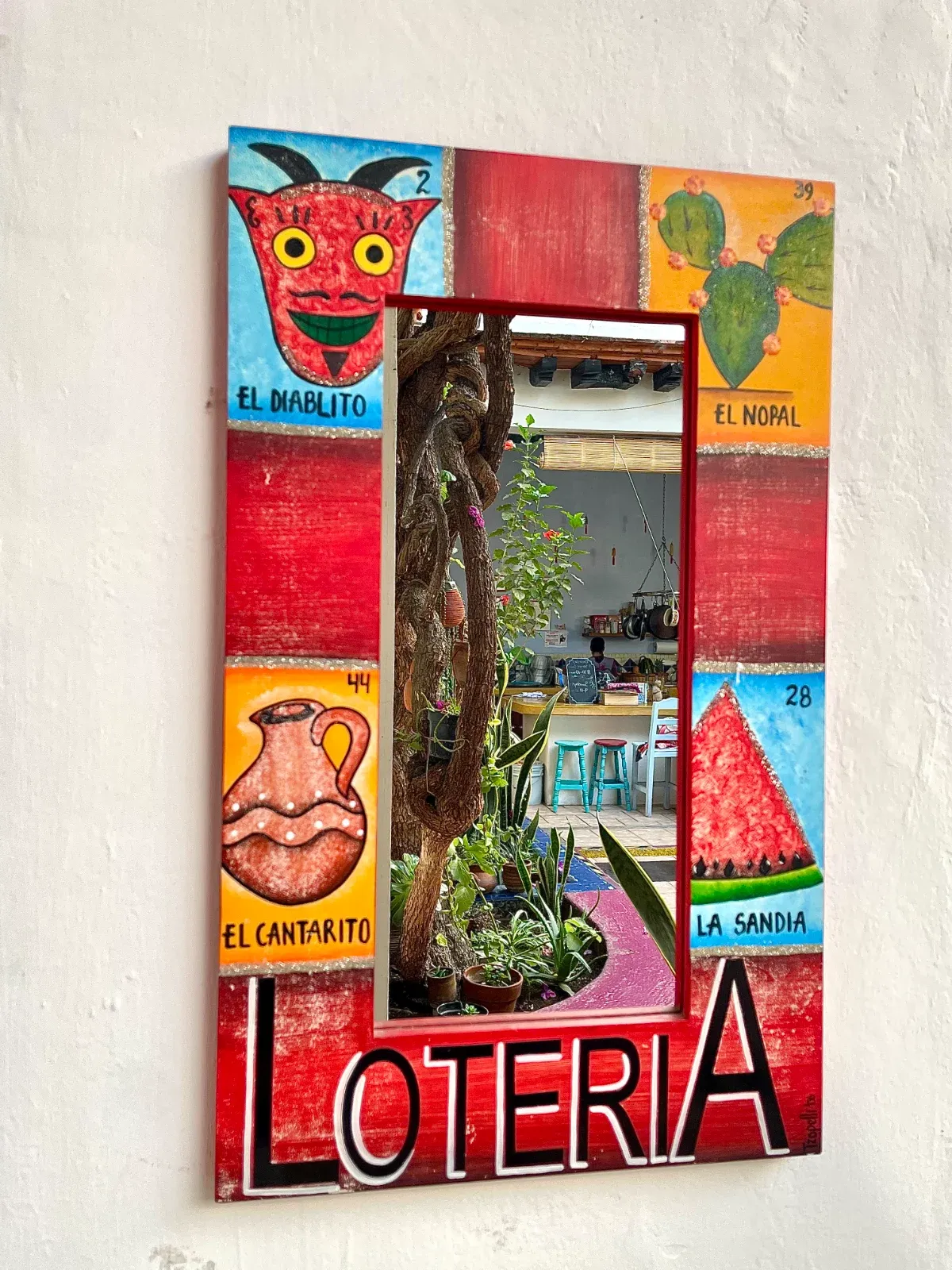
Each card features a powerful image and often an accompanying rhyme. It's not just a game; it's a collection of characters, objects, and scenes that reflect the Mexican imagination.
Its Origins
Although today we feel it is deeply Mexican, the lottery has roots that go back to Europe. It arrived in Mexico in the 18th century from Italy and Spain, and over time it adopted its own symbols and styles.
The most well-known version today is the one created in the 19th century by Clemente Jacques, whose illustrations became the classic cards we still recognize. Over the years, the game became popular at fairs, schools, family gatherings, and Christmas celebrations. And so, generation after generation, the lottery became part of the cultural landscape.
Why is it so popular in Mexico?
Because it's simple. Because it's visual. Because anyone can play. But above all, because it brings together.
The lottery is played at long tables, with beans as tokens, amid laughter, jokes, and friendly family competition. Age doesn't matter. Everyone understands the images. Everyone recognizes something in them. It's a game that doesn't need translation.
How the Lottery Came to My Rooms
Interestingly, it all started with the name: first came El Diablo y la Sandía (The Devil and The Watermelon).
It wasn't planned as a concept. Those names just appeared and they had strength, character, something memorable. And then it dawned on me: they were both images from the game. That's when I understood that there was a story that could continue.
If two elements of la lotería already existed, why not let the rest of the rooms follow that thread? Little by little, the game became an inspiration. Each name began to feel like a character, as if each space had its own identity.
The lottery has something playful about it, but also something nostalgic. And that seemed perfect to me: rooms with character, but without losing their lightness.
The Watermelon image also holds special significance in Oaxaca. The Oaxacan painter Rufino Tamayo made this fruit one of the most recognizable symbols in his work. His watermelons, vibrant and almost luminous, appear repeatedly in his paintings as a celebration of color, the land, and Mexican identity. In a way, this vibrant image resonates with the lottery card and the energy of southern Mexico.
It's not just a name on a door. It's a small cultural reference that many Mexicans instantly recognize — and that, for foreign visitors, becomes a story waiting to be discovered.
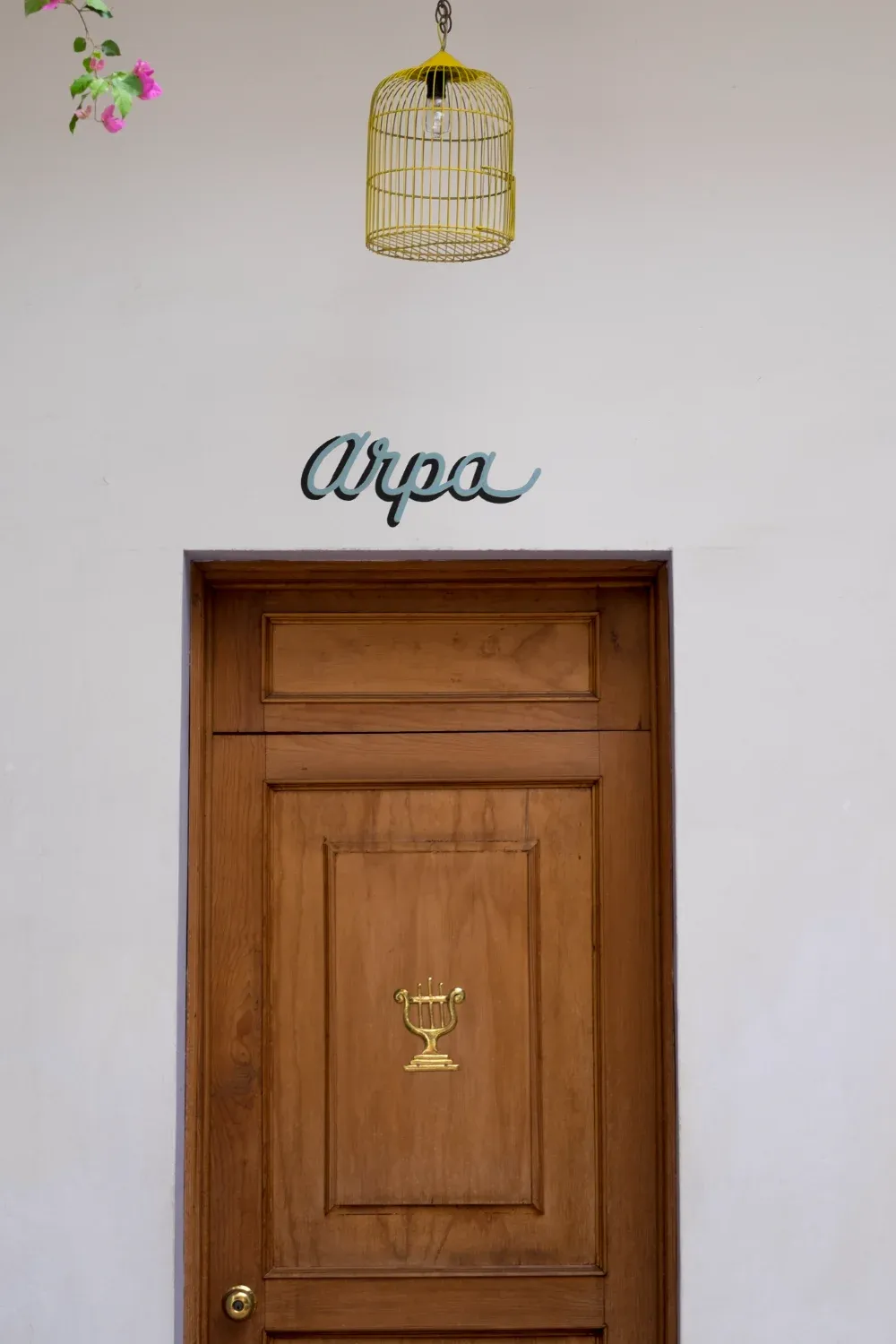
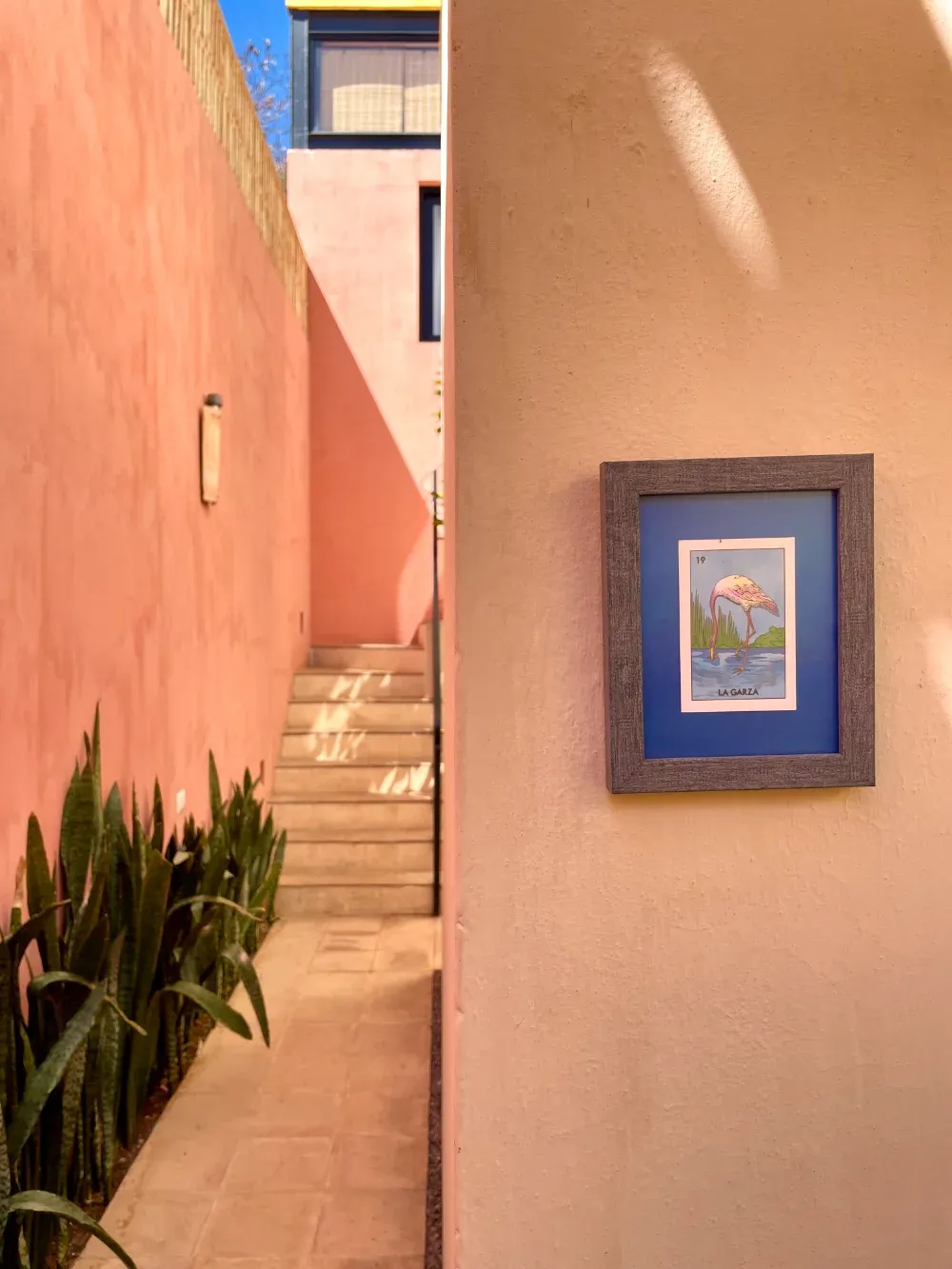
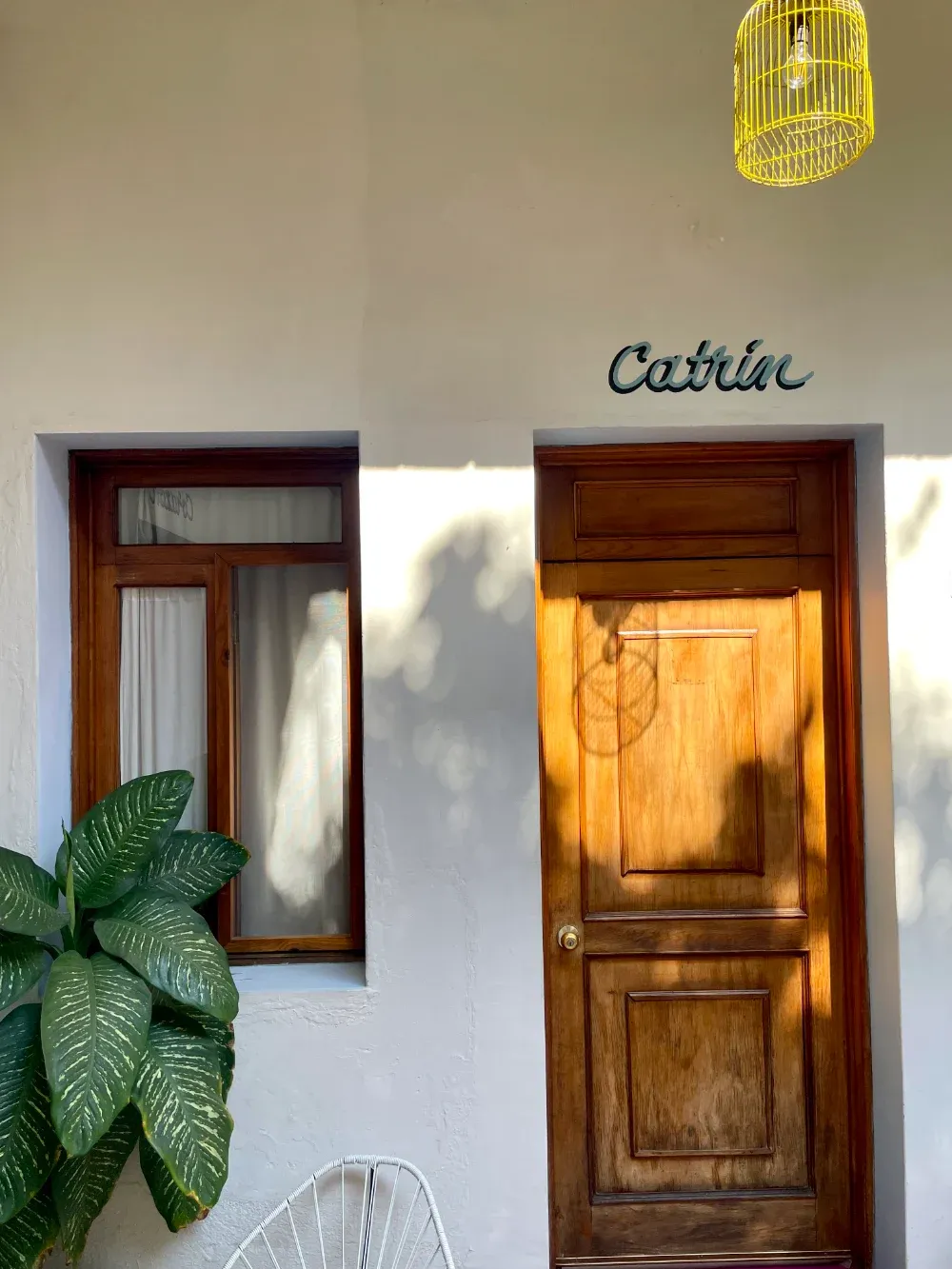
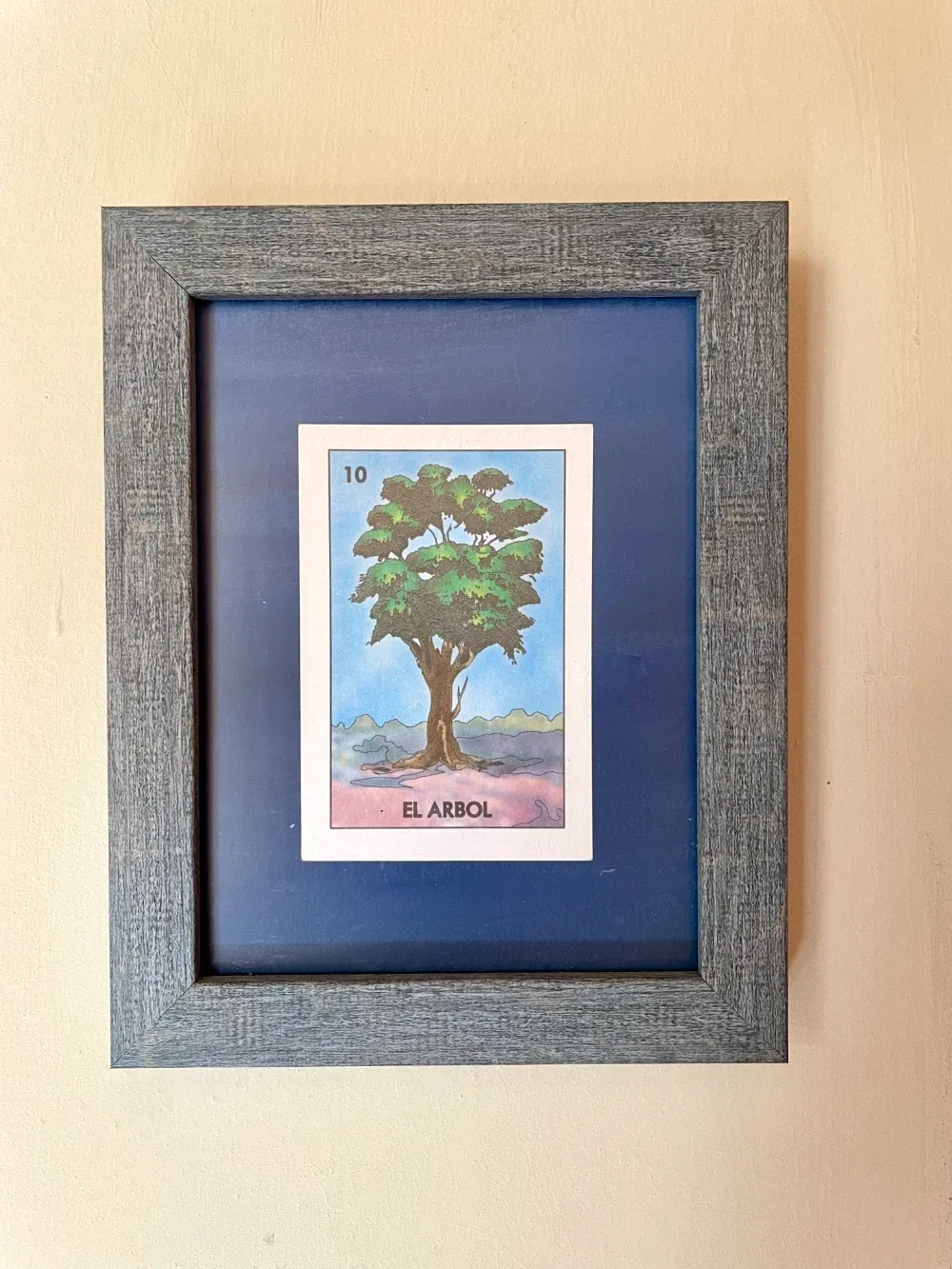
More Than a Game
La lotería is memory, design, tradition, and humor. It's childhood for some, discovery for others. And it is also part of this space.
Sometimes the best ideas don't come from a strategy, but from a coincidence. Two names — El Diablo y La Sandía — were enough to open the door to something bigger.
And so, a game ended up becoming an identity.
Maria
Every lotería card in this story was hand-illustrated for us by the artist Frekan — @frekan_tn. Nothing here was made by AI.